Carotid & Vertebral Artery Disease
Comprehensive Diagnostic & Therapeutic Neuroradiology Services
Understanding carotid & vertebral artery disease
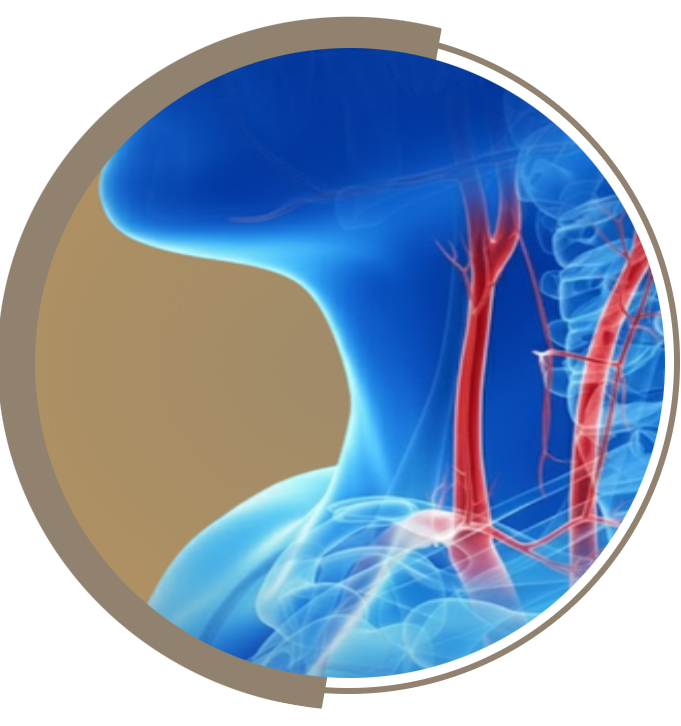
Carotid and vertebral artery disease occurs when the major blood vessels supplying the brain become narrowed due to plaque buildup or inflammation. This can reduce blood flow to the brain and increase the risk of stroke, transient weakness, dizziness, or sudden neurological deficits. Early detection is essential because many patients remain symptom-free until the blockage becomes severe. With timely evaluation and targeted treatment, stroke risk can be significantly reduced while preserving long-term brain function and overall vascular health.
Diagnosing carotid & vertebral artery disease
Diagnosis begins with specialized imaging such as doppler ultrasound, CT angiography, or MR angiography, which accurately reveal the degree and location of arterial narrowing. These tests help identify patients who may benefit from medical therapy, stenting, or advanced neurointerventional procedures. Thorough evaluation ensures that each patient receives a personalized treatment approach based on stroke risk, plaque stability, blood flow patterns, and overall health, ensuring safer care and more predictable long-term outcomes.
Treating carotid & vertebral artery disease
Treatment varies based on severity and may include medications, lifestyle changes, or minimally invasive procedures such as angioplasty and stenting. These image-guided treatments help restore blood flow, stabilize plaque, and prevent stroke without the need for open surgery. Neurointerventional techniques offer faster recovery, lower risk, and high precision, making them ideal for many patients. The goal is to improve cerebral circulation, prevent future neurological events, and support long-term vascular stability and brain health.

Causes of carotid & vertebral artery disease
Understanding key risk factors
High blood pressure damaging arterial walls
Cholesterol buildup leading to plaque formation
Smoking accelerating vascular narrowing
Diabetes increasing inflammation in arteries
Sedentary lifestyle promoting poor circulation
Symptoms to watch for
Early warning signs of reduced blood flow
Sudden weakness on one side of body
Brief loss of vision or double vision
Dizziness or unexplained imbalance episodes
Slurred speech or difficulty understanding words
Sudden numbness in face or limbs


Treatment options
Minimally invasive procedures for safer outcomes
Carotid angioplasty restoring healthy arterial flow
Stenting preventing further plaque-related blockage
Medication reducing long-term stroke risk
Lifestyle changes improving overall vascular health
Regular monitoring ensuring stable blood supply
Why choose dr. savyasachi jain
Expert-driven, patient-focused neurovascular care you can trust
Decades of specialized training from aiims, delhi
Expertise in complex brain and spine vascular disorders
Minimally invasive treatments ensuring faster recovery
Precision-guided procedures using the latest imaging technology
Evidence-based decisions tailored to each patient’s condition
High success rates in aneurysm, avm, stroke, and stenting
Compassionate communication and step-by-step patient guidance
Collaborative care with neurologists, neurosurgeons, and icu teams
24/7 management of emergencies like stroke and brain bleeds
Safety-focused approach prioritizing the best long-term outcomes

Our Expert Doctors
About Doctor

Dr. Savyasachi Jain
Neurovascular Interventionist, Neurosurgeon
Location & Location Map
Location 1664
Address
Aakash Healthcare Super Speciality Hospital, Road No. 201, Dwarka Sector-3, Dwarka, New Delhi 110059, Delhi