
Management of acute ischemic stroke begins with rapid symptom recognition, emergency brain imaging and timely treatment to restore blood flow. Acute ischemic stroke occurs when a clot blocks blood flow to part of the brain. The affected tissue begins losing oxygen, so assessment and treatment must start quickly. Doctors consider symptom timing, neurological findings, brain imaging, the blocked vessel and bleeding risk before selecting treatment.
What Families Should Do Before Reaching the Hospital
Note the exact time symptoms began. When this is unknown, record the “last known well” time, meaning the last time the person was seen without symptoms. This may be before sleep in a wake-up stroke.
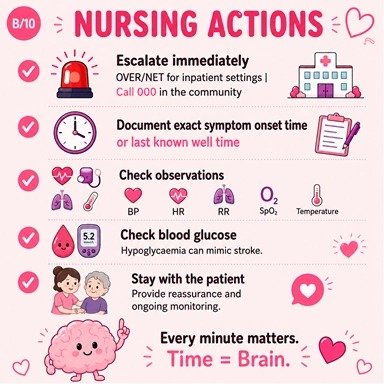
Call an ambulance instead of driving the patient. Emergency teams can begin assessment during transport and alert the stroke team. Keep a list of current medicines, especially blood thinners, and mention recent surgery, bleeding or head injury. Do not offer food, water or tablets because swallowing may be impaired. Do not start aspirin before brain bleeding has been excluded.
“In stroke care, information from the family can directly affect treatment decisions. The symptom time, medication list and recent medical history should reach the emergency team as early as possible.”- Dr. Savyasachi Jain
If facial drooping, arm weakness, speech difficulty, sudden imbalance or vision loss appears, seek emergency care immediately.
The First Hospital Assessment
The team checks breathing, oxygen, blood pressure, blood glucose, temperature, heart rhythm and neurological function. It also determines whether symptoms are disabling, even when the overall stroke score is low.
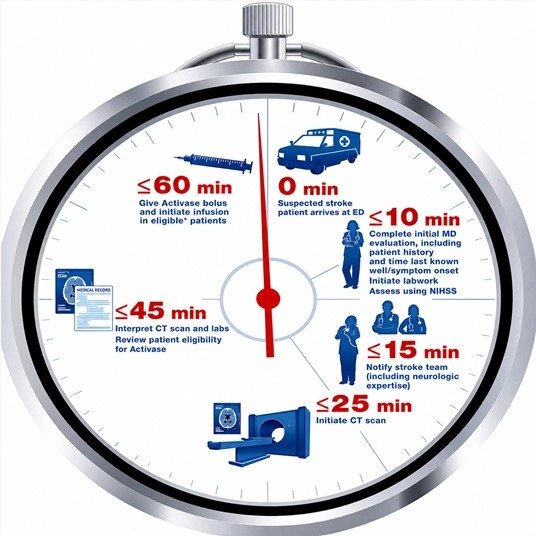
A non-contrast CT scan is usually performed first to distinguish ischemic stroke from bleeding. CT angiography can identify a blocked artery. In selected patients, CT perfusion or MRI can show whether salvageable brain tissue remains. Current guidance recommends beginning initial brain imaging within 25 minutes of hospital arrival.
How Reperfusion Treatment Is Selected
Intravenous Thrombolysis
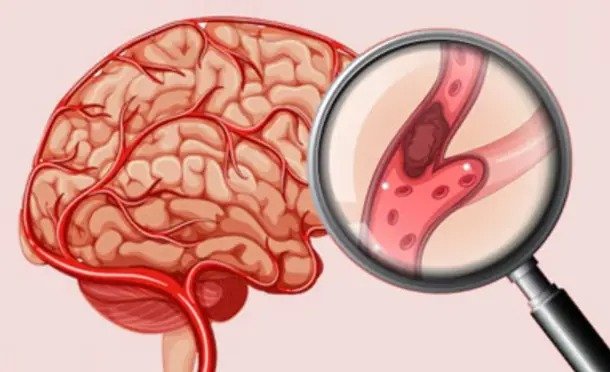
Thrombolysis uses an intravenous medicine such as alteplase or tenecteplase to dissolve the clot. It may be considered for eligible patients within 4.5 hours of the last known well time.
Selected patients with an unknown onset or later presentation may also qualify when advanced imaging shows a favourable tissue pattern.
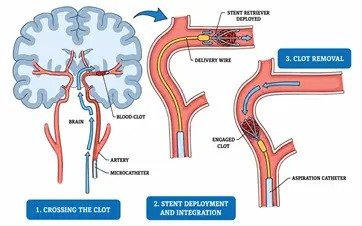
Mechanical Thrombectomy
Mechanical thrombectomy removes a clot from an eligible brain artery through a catheter introduced from the wrist or groin. It is mainly considered for a large-vessel occlusion.
Selected patients may benefit up to 24 hours after they were last known well when imaging and clinical findings support treatment.
When a major artery blockage is suspected, rapid coordination with a thrombectomy-capable centre can reduce treatment delay.
What Happens During Transfer?
A patient may first reach a hospital that can perform CT imaging and give thrombolysis but cannot perform thrombectomy.
The team may share scans electronically, contact the receiving centre and arrange urgent transfer. Thrombolysis, when appropriate, is generally not delayed simply because thrombectomy is also being considered.
This coordination is important because transferring a patient should not mean repeating every assessment from the beginning. Sharing images and clinical information can help the receiving team prepare before the patient arrives.
Care After Blood Flow Is Restored
Reperfusion is only one stage of care. The patient is monitored for bleeding, brain swelling, reduced consciousness and aspiration.
A swallowing screen is completed before food, drink or oral medicine because stroke-related swallowing difficulty may be silent and can lead to pneumonia or poor nutrition.
Rehabilitation may include physiotherapy, speech therapy, occupational therapy and swallowing support. Tests may also look for atrial fibrillation, carotid disease or arterial dissection.
Identifying the cause matters because prevention is different for each patient. A stroke caused by an irregular heart rhythm may require a different long-term plan from one caused by carotid narrowing or small-vessel disease.
“Opening the blocked artery is one stage of care. Monitoring, swallowing safety, cause identification and rehabilitation all influence longer-term recovery.” – Dr. Savyasachi Jain
Why Improving Symptoms Still Need Assessment
Symptoms can improve if a clot moves, partly dissolves or blood flow temporarily returns. This does not prove that the danger has passed.
A transient ischemic attack and a stroke with fluctuating symptoms both require urgent evaluation. Improvement should never be used as a reason to cancel emergency transport or delay brain imaging.
Conclusion
The management of acute ischemic stroke depends on early recognition, accurate symptom timing, urgent brain imaging and rapid treatment decisions. Intravenous thrombolysis and mechanical thrombectomy may help restore blood flow in eligible patients, while careful monitoring, swallowing assessment, rehabilitation and stroke-cause evaluation support recovery and reduce future risk.
Even when symptoms appear mild or begin to improve, emergency assessment should not be delayed. Recognising stroke signs early and reaching a stroke-ready hospital quickly can help the medical team consider the most appropriate treatment options.
Learn the BE FAST signs and keep emergency numbers accessible. Quick recognition and accurate symptom timing can help the stroke team act sooner.
Frequently Asked Questions
Can treatment be given when the onset time is unknown?
Yes, in selected cases. Advanced CT or MRI may identify a tissue pattern that supports thrombolysis or thrombectomy.
Should aspirin be given at home?
No. Stroke-like symptoms may be caused by bleeding, and aspirin can worsen it. Medication should wait until imaging and clinical assessment are completed.
Does every ischemic stroke need thrombectomy?
No. Thrombectomy is mainly used for eligible blockages in larger brain arteries.
Why is the last known well time important?
It helps the stroke team determine the treatment window, especially when the patient woke with symptoms.